High Noon in the Middle East.
Israel–Iran War: Part II — Late February’s Mars–Uranus Moment
By Hans H. Noeken - Astrologer
As early February unfolds, and at the moment of writing, reported talks scheduled for later this week in Istanbul between the United States and Iran aim to de-escalate rising tensions. Yet the astrology already points toward a High-Noon standoff later this month: Mars in Aquarius square Uranus in Taurus—a configuration that compresses decision-making, tempts pre-emptive strikes, and turns technology into an unpredictable actor, increasing the risk that a second Israel–Iran confrontation ignites faster, wider, and with far less control than anyone intends.
In classic Westerns, High Noon is not about heroics. It is about the arithmetic of fear. Two figures face each other in an empty street, the sun merciless overhead, the clock loud enough to hear your own heartbeat. Whoever draws first will later insist he had no choice—only self-defense. That is the psychological weather we are entering.
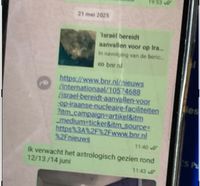
Last year, in May, while media speculation about a possible strike on Iran drifted without focus, I sent a short private message to friends in Israel: “I expect on June 12, 13, or 14.” I was confident because I wasn’t reading one chart, but connecting three at once: Benjamin Netanyahu, the mundane horoscope of the State of Israel, and Donald Trump. All three shared the same trigger—Mars in Leo, activated simultaneously.
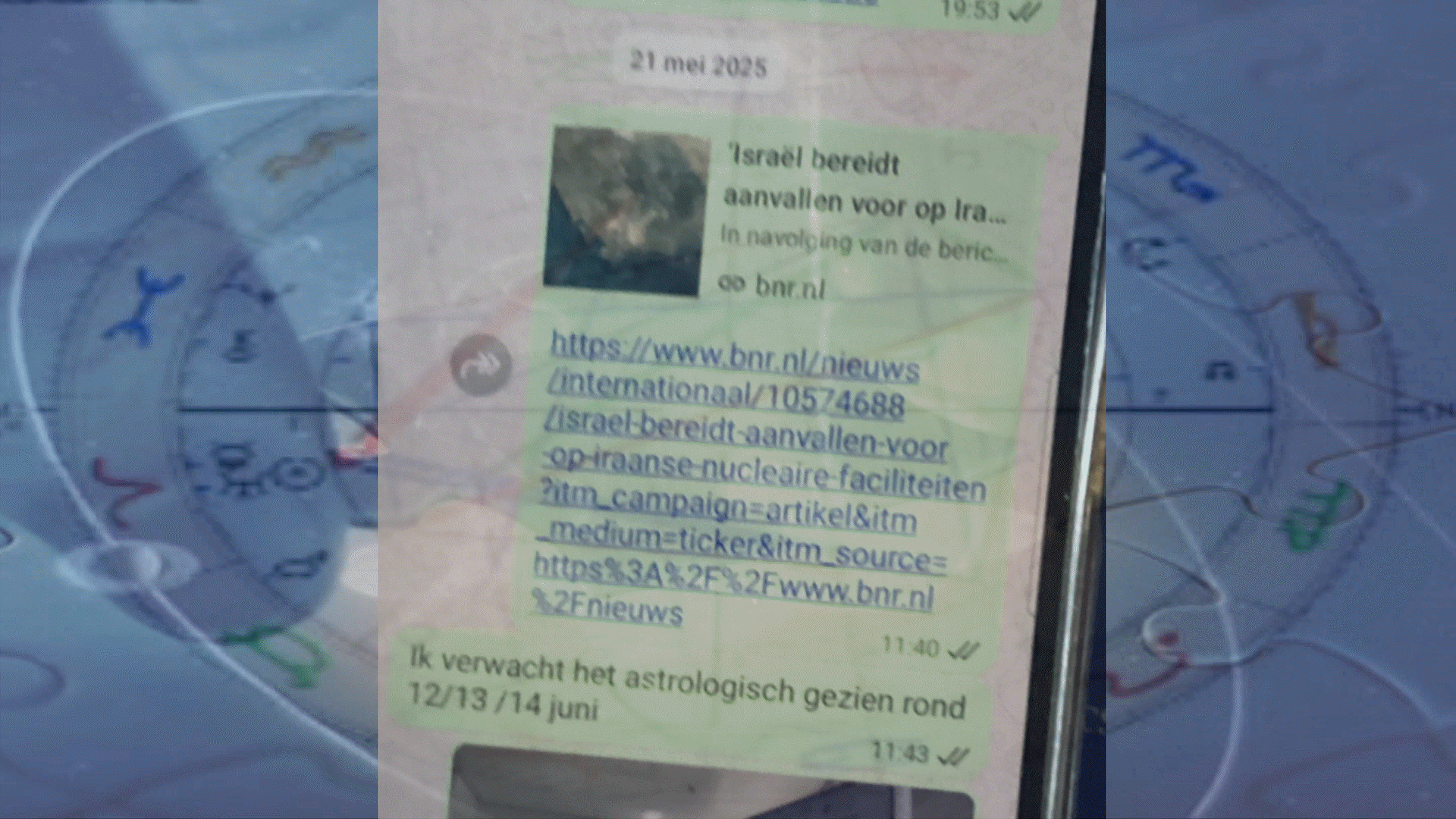
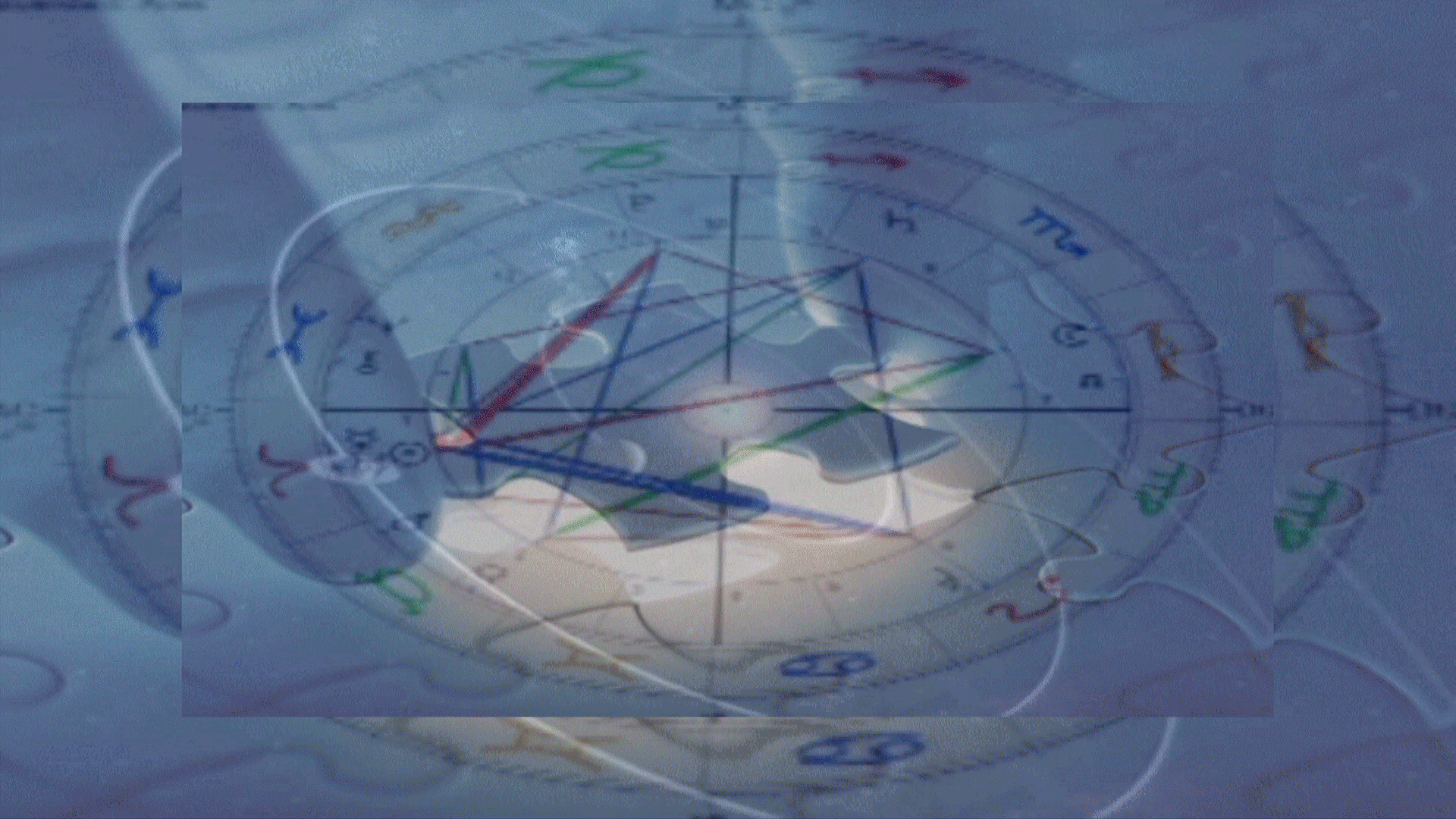
When Mars meets Mars, action follows. It did.
The confrontation that unfolded—the 12-day war—was even named in a way that mirrored the sky with uncanny precision: Operation Rising Leon. Leo is the Lion. Mars in Leo does not whisper or creep; it steps into the street, visible and proud. A conjunction aligns will and timing; action flows with the current. That was the first act.
Now the geometry has flipped.
Between 22 February and 2 March 2026, Mars in Aquarius stands opposite that same Mars in Leo, while Uranus in Taurus drives a hard square. Once again, the same three Mars points—Trump, Netanyahu, and Israel’s martial core—are activated together. But this configuration does not describe momentum. It describes a standoff.
This is High Noon astrology.
An opposition is a face-to-face moment. Nothing is hidden. Each side sees the other clearly and assumes the worst. Add Uranus—the planet of shocks, technology, and sudden reversals—and decision time collapses. Intelligence is incomplete. Reaction speeds are measured in minutes, sometimes seconds. In such conditions, leaders stop asking “Should we act?” and start asking “If we don’t act now, will we be hit first?”
That is how pre-emptive wars begin.
History—and astrology—show that wars launched under a Mars–Uranus square almost never unfold as planned. The opening move is usually sharp and framed as defensive. But almost immediately, control slips. Cyber systems misfire. Markets react. Alliances shift. Infrastructure becomes a target. Technology—drones, satellites, networks—outruns diplomacy. Escalation becomes nonlinear: one action triggers consequences three moves ahead, often in places never intended.
A Renaissance mind would recognize this danger instantly. If John Dee, counselor to Queen Elizabeth I, were advising leaders today, his warning would be calm but severe. When Mars is crossed by a sudden, disruptive force, he would say, rulers believe they command the fire—only to discover the fire has its own will. New instruments of war, once loosed, obey neither crown nor intention. Delay, where it can be borne, becomes a shield; multiplication of action invites loss of control.
Modern psychology reaches the same conclusion by another road. Carl Gustav Jung would call this projection under existential stress. Mars in Leo binds action to identity—who I am. Mars in Aquarius frames action as necessity—what must be done for the system to survive. Each side places the Shadow entirely on the other. Pre-emption feels not aggressive, but inevitable.
For Israelis, this is a moment when security calculations are brutally compressed. For Iranians who hope that outside force might end the Islamist terror regime in Tehran, the astrology offers a sobering truth: external strikes can break structures, but they cannot choose what rises after. Under Mars–Uranus, outcomes multiply beyond intent.
That is why the second act is more dangerous than the first. Fixed signs—Leo, Aquarius, Taurus—do not yield easily. They hold their ground. When they break, they break suddenly.
Astrology does not abolish free will. But it does describe the weather. And this forecast is unmistakable: late February 2026 is a High-Noon window, when fear masquerades as necessity, speed replaces strategy, and one move—made to prevent disaster—can set events racing beyond recall.
In Westerns, High Noon is tragic because everyone knows what might happen, yet feels trapped by timing and expectation. The gunfight is not inevitable. But once the hands hover, history often turns on who moves first.
And those are the signs in the heavens.